
Acupuncture for Sciatica Relief in Ottawa
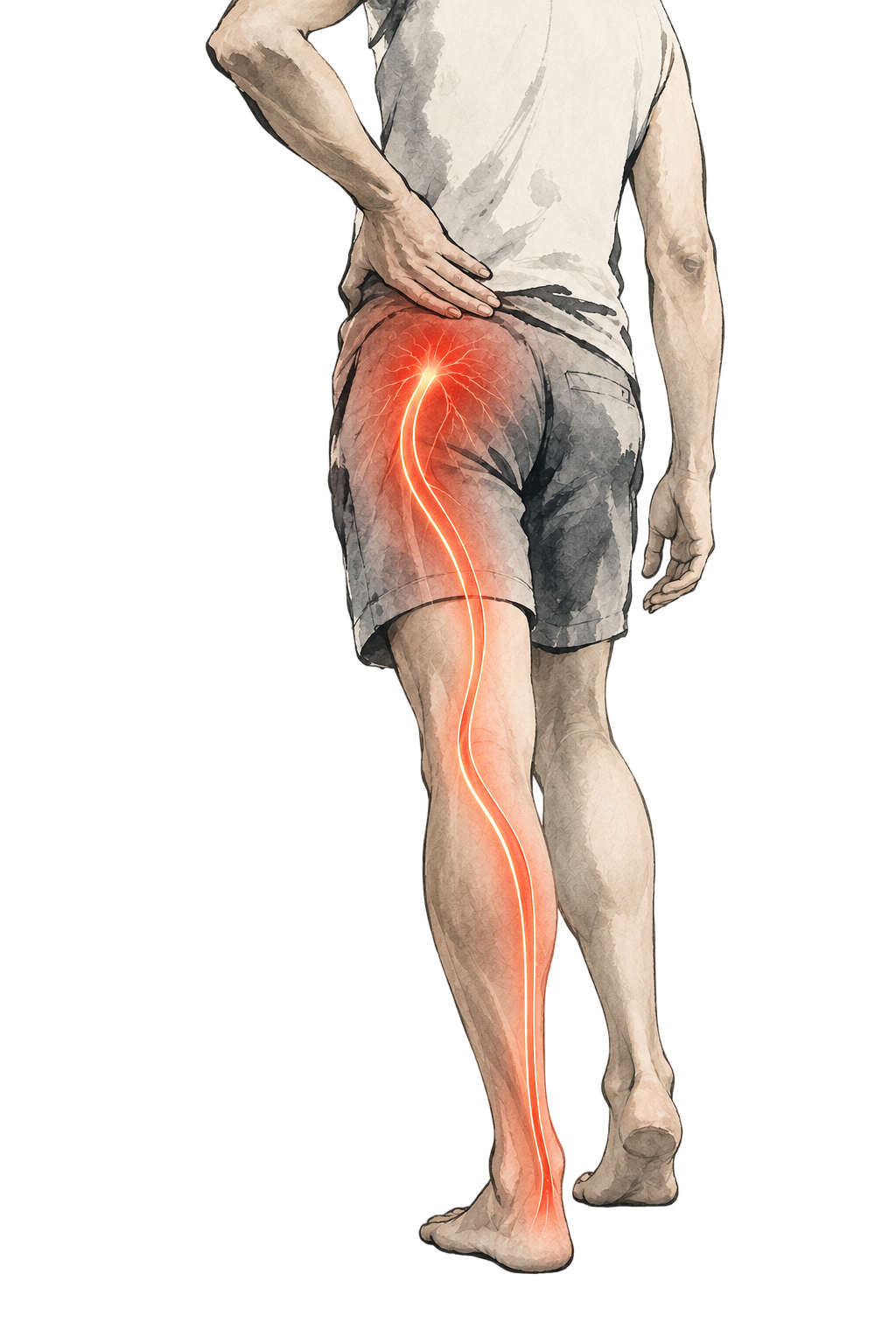
Long hours at a desk can affect more of the body than you might expect. The lower back and hips and neck and shoulders are common examples of the negatives effects of “too much sitting”. But what happens when the discomfort doesn’t stay in one place—and begins traveling into the buttock or down the leg? This pattern is commonly known as “sciatica”: pain, tingling, numbness or weakness that follows the path of the sciatic nerve from the lower back through the buttock and into the leg.
Symptoms may travel from the lower back or buttock into the leg or foot, ranging from a persistent ache to a sharp, burning or electric sensation.
If your symptoms keep returning after prolonged sitting or despite stretching, my whole-pattern approach considers how the lower back, pelvis, hips and surrounding muscles may be contributing. Read on to learn how acupuncture may help.
When Pain Travels Downstream
Sciatica by definition is the pain caused by irritation or compression of your sciatic nerve. The sciatic nerve is formed by several nerve roots that emerge from the lower spine and join together within the pelvis. From there, it travels through the buttock and down the back of the thigh before dividing into smaller branches that continue into the lower leg and foot.
Because this nerve pathway extends across several regions of the body, irritation or compression anywhere along its pathway can result in sciatic-like symptoms down-stream. Commonly, this irritation happens in the lower-back or in the hip.
In a classic biomechanical view, there are several possible “root causes” of sciatic symptoms. A herniated disc, spinal stenosis or irritation around the piriformis muscle may be among the main culprits. Traditional Chinese Medicine takes a similar interest in what lies beneath the symptoms, but views the problem through a different lens. Rather than focusing only on the affected anatomical structure, it considers patterns such as restricted circulation, muscle dysfunction, inflammation, fascia abnormalities or an underlying “deficiency” that may influence how the pain presents and why it persists. This helps explain why two people with similar sciatic symptoms may receive different acupuncture treatments. These patterns have classical biomechanical associations, lets take a look.
Common Pieces of the Pattern
for Sciatica
If you experience sciatic-like symptoms you may also have these experiences:
Palpable lower-back tension
Restricted hip rotation
Poor core control, dysfunctional hip flexors
Anterior pelvic tilt
Foot dysfunction(low/high arches)
Stiffness in the calves
“Duck feet” or
knock knees
Tension in the IT band
What Treatment May Include
Acupuncture

Fire Cupping
Tuina & Acupressure
Home Exercises
01
Consultation & Assessment
We begin with a conversation about your symptoms, relevant health history and lifestyle, followed by a physical assessment to understand the full pattern of your sciatic symptoms
What to Expect
02
Individualized Treatment
You’ll receive a personalized treatment plan using acupuncture and other therapies tailored to your specific pattern.
03
Recommendations & Follow Up
We’ll discuss self-care strategies and helpful exercises you can easily implement through-out your day. We’ll also touch on expectations moving forward and monitor your progress to support lasting results.
Frequently Asked Questions for Sciatic Relief
-
Yes, acupuncture may help reduce sciatic pain and improve function. For example, a 2024 randomized clinical trial found that people with chronic sciatica caused by a herniated disc experienced greater improvements in leg pain and daily function with acupuncture than with sham acupuncture. View the study
Depending on your presentation of symptoms, treatment does not physically reverse a herniated disc or spinal stenosis. Instead, acupuncture may help manage pain and address muscular tension or irritation surrounding the affected pathway.
-
Both treatments use thin, sterile, single-use needles, but their training and treatment frameworks differ. Dry needling typically involves a strong needling technique designed to “force” tight muscles to relax.
TCM Acupuncture on the other hand may needle local and distal areas and involves a more gentle needling approach.
Insurance billing may also differ: treatment from a Registered Acupuncturist is generally submitted under acupuncture coverage, while dry needling performed by a physiotherapist is usually billed as physiotherapy. Coverage depends on your individual plan.
-
Needles may be placed around the lower back, hips, buttocks or legs, depending on where the symptoms travel and what may be contributing to them. Distal points elsewhere on the body may also be selected based on your individual presentation and Traditional Chinese Medicine pattern.
The needles are not intended to be inserted into the sciatic nerve itself. Point selection, positioning and treatment intensity are adapted to your comfort and the sensitivity of the affected area.
-
No special preparation is required. After booking, you will receive an intake form to complete before your appointment. This gives me a general understanding of your health history and current concerns so we can make the most of our time together.
Please wear comfortable, loose-fitting clothing that allows sleeves and pant legs to be rolled up easily. Depending on the area being treated, appropriate draping will be provided when necessary.
-
Although I highly recommend acupuncture as part of the treatment plan, I understand you may be hesitant, especially if acupuncture is new to you. We can definitely explore needle-free options during your session. Treatment is always tailored to your comfort level and individual needs.
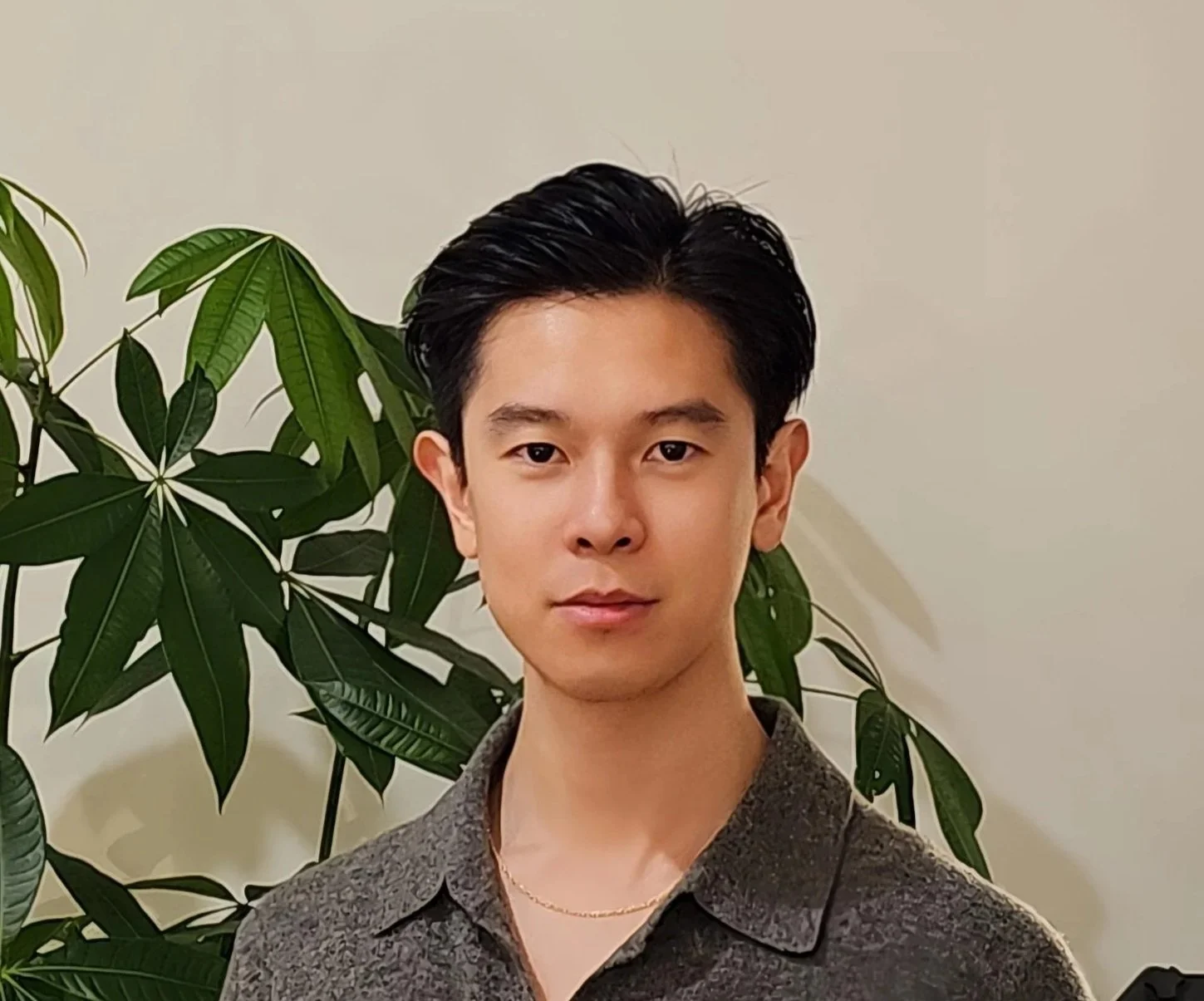
About Colin (Me)
Registered Acupuncturist
Practising in Ottawa since 2013
I am a Registered Acupuncturist with the CTCMPAO and have been practising in Ottawa since 2013. Drawing on a family connection to Traditional Chinese Medicine and a background in Health Sciences, I combine traditional Eastern philosophy of function and relation with a modern understanding of anatomy, physiology and movement to provide effective, individualized care.
Read my Healthy Choice practitioner bio here